
In the current real estate landscape of 2026, asset management has evolved from a purely administrative task into a strategic discipline. If there is one keyword dominating investment boards across the Costa del Sol, it is Hybrid Resilience. But what does this actually mean for an owner of commercial assets?
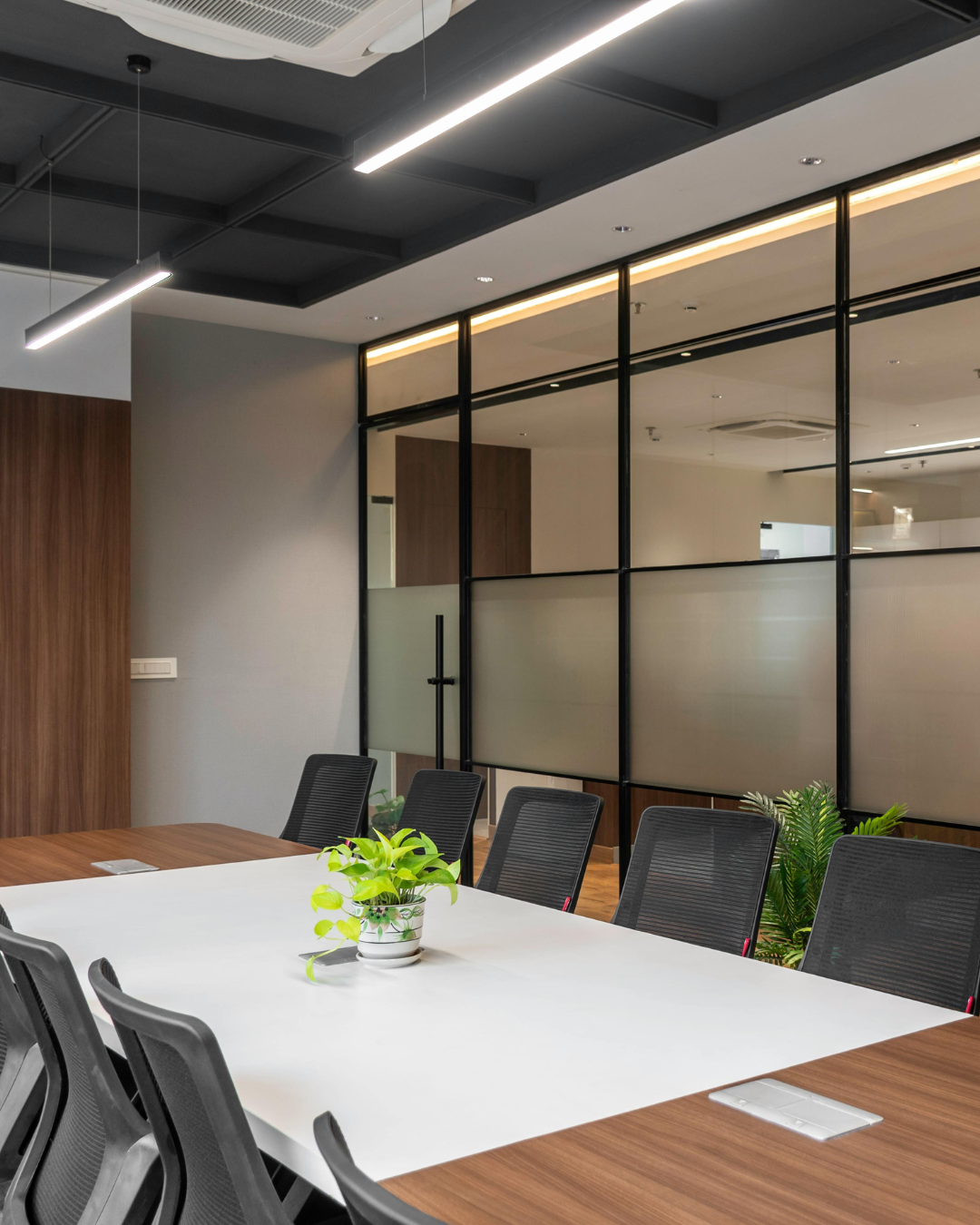
Traditionally, a retail unit was a retail unit, and an office was an office. However, market maturity and the demands of modern operators have transformed this static vision. Today, profitability depends not only on location but on the operational flexibility of the asset. The properties that performed best following the close of 2025 are those capable of hosting mixed uses: workspaces that transform into showrooms, or retail units that integrate networking and dining areas.
Optimisation and Real Value
From an Asset Management perspective, hybrid resilience is the ultimate tool to combat obsolescence. By diversifying a property’s potential uses, we reduce vacancy risks and increase its appeal to high-value tenants. At Urbemar, we have observed that assets integrating smart technology and sustainability criteria not only retain tenants more effectively but also allow for the defence of higher rents in prime locations.
The Strategic Factor
Managing a portfolio in 2026 requires constant auditing of the “best use” for every square metre. The current economy—driven by rising business tourism and solid domestic demand—rewards owners who are bold enough to reposition their assets.
In conclusion, Hybrid Resilience is the protective shield against market volatility. At Urbemar, we help our clients transform their assets into living, versatile, and, above all, highly profitable spaces. The future of the commercial sector does not belong to those with the most square metres, but to those who know best how to adapt them.

